PART I • p. 38
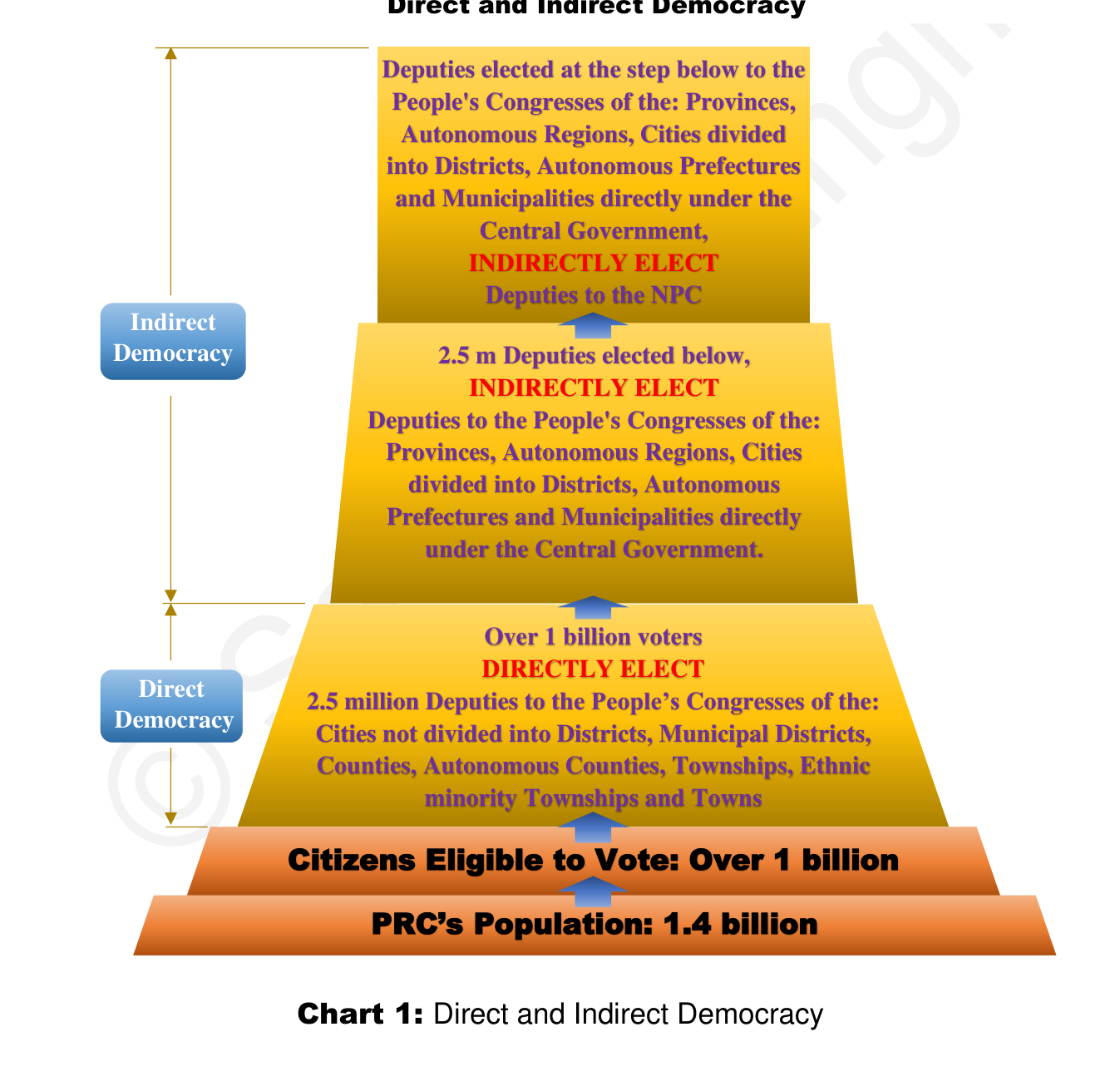
Direct and Indirect Democracy
- Whole-Process Democracy
- Law-based system
A SYSTEMATIC, VISUAL INTRODUCTION
FREE • READ ONLY
Direct and Indirect Democracy
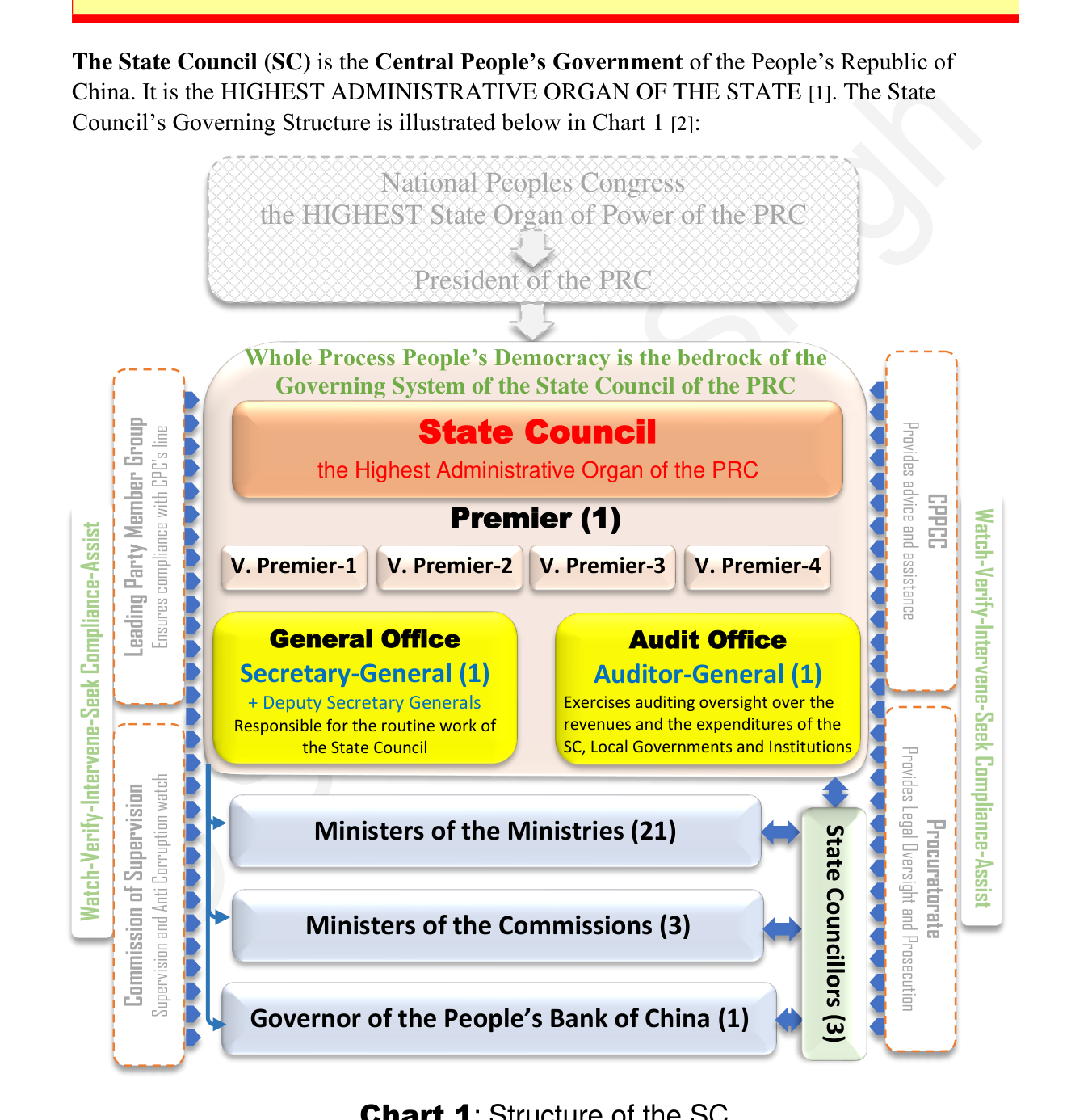
Structure of the State Council
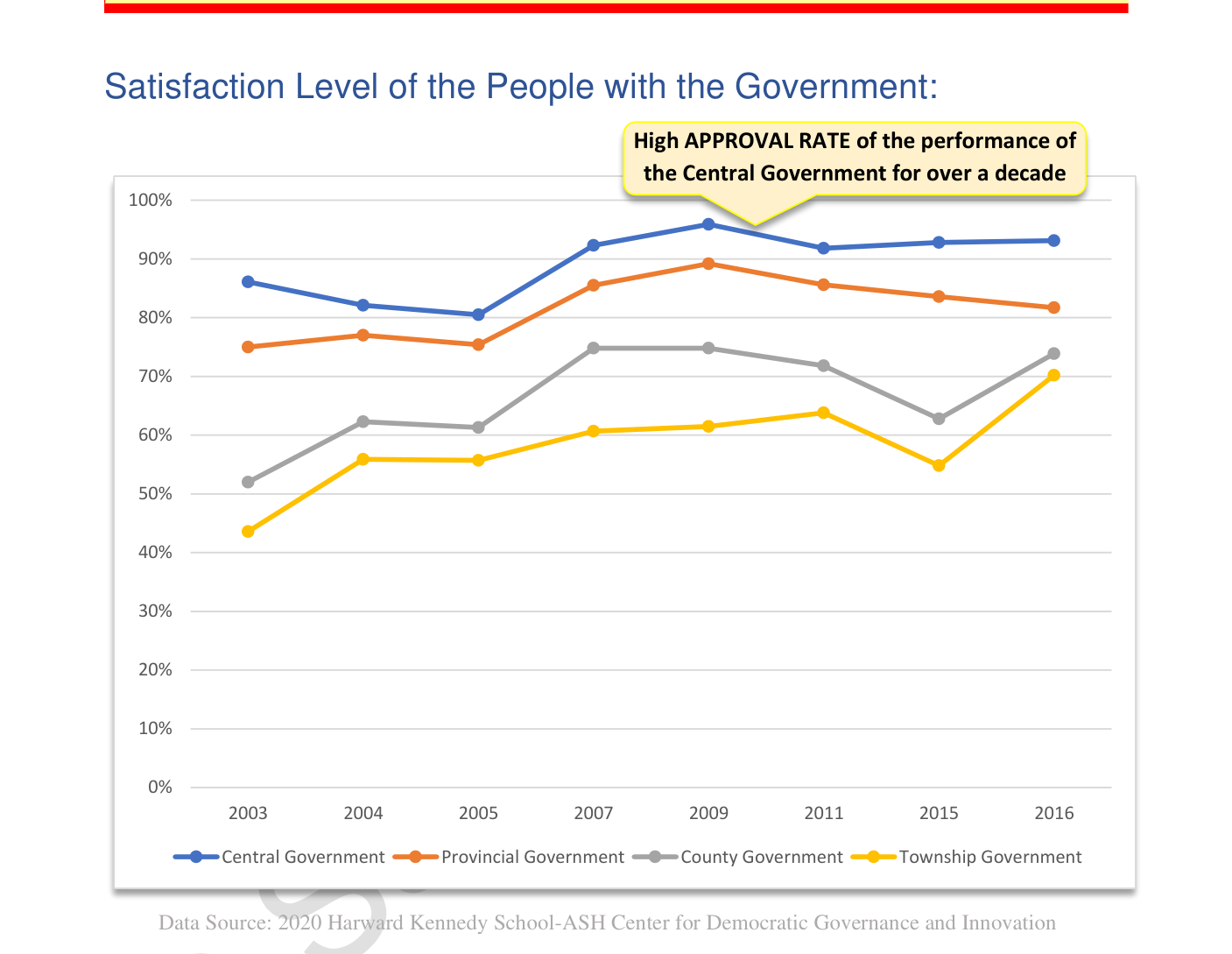
Satisfaction Level of the People with the Government
The book provides a comprehensive, law-based theoretical overview of the governing system of the People’s Republic of China (PRC). Across 348 pages, it presents the institutional and legal framework of governance in a systematic and accessible manner. The book is supported by 195 graphs, flowcharts, maps, tables, images, and diagrams designed to enhance comprehension and facilitate visual understanding.
The author’s academic and professional career is rooted in engineering, an education and discipline that fostered a lifelong commitment to pressure equipment safety, systematic inquiry, critical analysis, and problem-solving. Following retirement, he extended these interests beyond engineering to explore a broad range of technical, social, and political subjects.
His research into China’s political system and governance drew on Chinese government and non-government sources, together with selected Western sources, and developed into the broader study that culminated in this book.
The author lives in Canada.